
Milling machine safety guards are an essential element of workplace safety in machining environments. They protect operators from potential hazards, ensure compliance with safety regulations, and contribute to a more efficient and secure working environment. Selecting the appropriate type and maintaining these safety guards properly can significantly reduce the risk of accidents and injuries in the workplace.
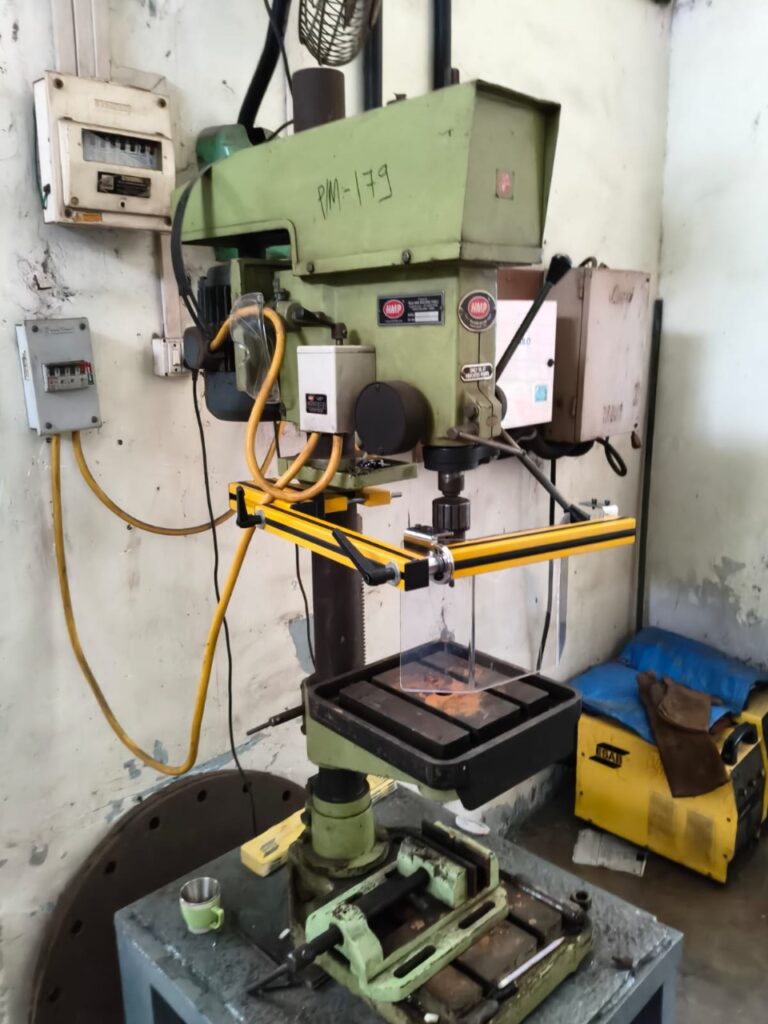
Universal Milling Machine Guard
The mounting
Universal milling machine guards are essential for ensuring the safety of operators and others in the vicinity of the machine. While your question is not very specific, I’ll provide some general information about mounting guards on a universal milling machine.
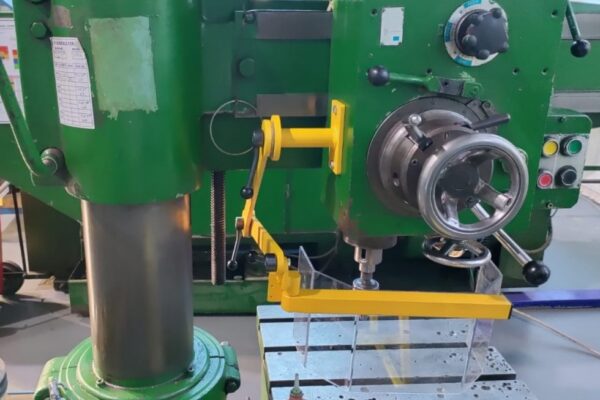
Head Mount Milling Machine
Quick and easy installation — no drilling required; true bolt-on design
Mounts using the longer bolts supplied, fastening directly to the quill feed selector
Compatible with multiple manual vertical milling machines, including:
Bridgeport, Sharp, Jet, Trak, Prototroch DPM, HH Roberts, Causing, Laguna, Webb, Supermax, and Alliant
Front arm swings 180° to the left, allowing simple setup and full work area access
Milling Machine Guard Features
- Spindle Guard: A guard should be in place to cover the rotating spindle and cutter. This prevents operators from accidentally coming into contact with the sharp, fast-moving cutting tool. The guard should be adjustable to accommodate different cutter sizes.
- Table Guard: A barrier should be installed around the milling machine’s worktable to prevent hands or clothing from getting caught in the moving parts. This guard should not interfere with the workpiece setup.
- Chip and Coolant Guard: Chips and coolant can be produced during the milling process, and a guard should be in place to contain these materials. This guard should prevent chips from flying out and coolant from splashing onto the operator.
- Emergency Stop Button: An easily accessible emergency stop button should be available on the machine. This allows operators to quickly shut down the machine in case of an emergency.
- Machine Interlocks: Some milling machines are equipped with interlock systems that prevent the machine from starting if the guards are not in place or if they are not properly closed. This feature encourages the use of guards.
- Personal Protective Equipment (PPE): While safety guards are essential, operators should also wear appropriate PPE, such as safety glasses, hearing protection, and gloves, to further protect themselves.
- Risk Assessment: Perform a risk assessment to identify potential hazards associated with your specific milling machine and work processes. This assessment can help determine the necessary safety measures and guard configurations.